Home/ Natural Methods
Working with Nature  •  Not Against It

Nature’s Way
to Better
Harvests

Healthy soil and balanced ecosystems can produce healthy crops without excessive dependence on chemicals. Traditional wisdom and field-proven experience combined for low-cost, sustainable and profitable farming.

🌿 Jeevamrut 🐛 Vermicompost 🍃 Mulching 🌱 Beejamrut 💧 Drip Irrigation 🔀 Crop Rotation
🧮

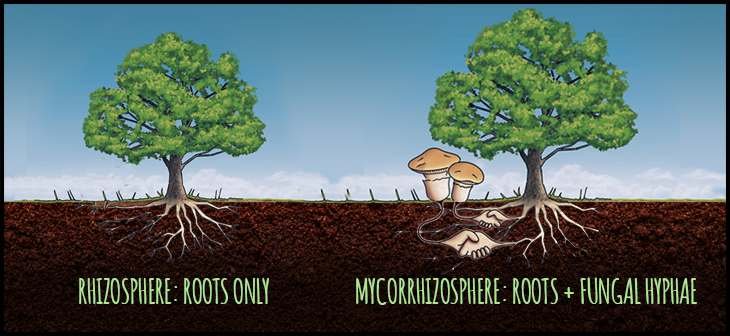
Healthy Soil

Build living, microbially-rich soil as the foundation of every crop.

🍶

Jeevamrut

Stimulate beneficial microbes and supercharge plant nutrition naturally.

🐛

Vermicompost

Convert farm waste into rich organic manure with earthworm power.

🍃

Mulching

Conserve moisture and suppress weeds in Rajasthan's intense heat.

🔀

Crop Rotation

Break pest cycles and restore soil nutrients through smart sequencing.

🛡️

Natural Pest Control

Neem, botanicals and ecological balance replace harmful pesticides.

💧

Drip Irrigation

Precision water delivery that cuts usage by 50% while boosting yields.

💰

Low-Cost Inputs

Prepare all farm inputs on-farm from local, freely available resources.

Scroll

Over the years, Bhanwar Singh Shekhawat has developed and promoted various natural methods that improve soil health, conserve water and support profitable farming under Rajasthan’s challenging climatic conditions — all without synthetic chemicals.

20+Years Field
Experience
13+Natural
Methods
500+Farmers
Trained

Natural Farming Methods & Practices

Every method below is field-tested on Bhanwar Singh’s farm in Pilibanga, Rajasthan — practical, affordable and proven to work in real conditions.
Healthy living soil organic farming
🧮 Foundation
01

Building Living Soil

Healthy soil is the foundation of successful agriculture. Natural farming treats soil as a living ecosystem, not just a growth medium — focused on restoring organic matter and biological activity.

  • Compost & organic matter addition
  • Crop residue recycling
  • Microbial enrichment
  • Mulching & moisture conservation
  • Soil carbon improvement
  • Earthworm activity enhancement
🍶 Natural Input
02

Jeevamrut

One of the most important natural formulations to stimulate beneficial microorganisms. Prepared using traditional ingredients from cow resources, it transforms soil biology.

  • Improves microbial activity
  • Enhances nutrient availability
  • Strengthens root development
  • Increases soil fertility
  • Supports healthy crop growth
Jeevamrut preparation natural farming
🌱 Seed Treatment
03

Beejamrut

Healthy crops begin with healthy seeds. Beejamrut gives every crop a natural, strong start before sowing.

  • Improved seed germination
  • Protection against seed-borne diseases
  • Strong early plant growth
  • Replaces chemical seed treatment
🐛 Composting
04

Vermicompost & Composting

Farm waste is transformed into valuable organic manure. Earthworms convert organic material into humus-rich, nutrient-dense compost.

  • Improved soil structure
  • Better water retention
  • Increased microbial population
  • Slow, balanced nutrient release
  • Long-term fertility improvement
Mulching moisture conservation field
🍃 Water Saver
05

Mulching for Moisture Conservation

Essential under Rajasthan’s high temperatures, mulching protects soil and dramatically reduces water needs.

  • Conserves soil moisture
  • Suppresses weed growth
  • Regulates soil temperature
  • Reduces irrigation requirements
💧 Irrigation
06

Drip Irrigation & Water Management

Efficient water use is essential for sustainable farming, especially in Rajasthan’s arid climate. Smart irrigation multiplies productivity per litre.

  • Drip irrigation systems
  • Raised bed cultivation
  • Moisture management
  • Seasonal crop planning
  • Reduced water wastage
🔀 Rotation
07

Crop Rotation

Growing the same crop repeatedly depletes soil and invites pests. Rotation restores ecological balance and boosts long-term health.

  • Improved nutrient cycling
  • Reduced pest & disease pressure
  • Better soil structure
  • Increased biodiversity
  • Sustainable crop production
Natural pest management organic farm
🛡️ Protection
08

Natural Pest & Disease Management

Instead of harmful pesticides, crops are protected through ecological balance and preventive measures that protect both crops and beneficial organisms in the soil and air.

  • Neem-based formulations
  • Botanical extracts
  • Trap crop techniques
  • Beneficial insects
  • Biological control
  • Healthy soil management

Deeper Into the Field

Additional techniques that complete the natural farming system — from raised beds and diversified crops to earthworm ecosystems and crop residue recycling.

Raised bed cultivation organic farming
🟢 Raised Beds
09

Raised Bed Cultivation

Raised beds improve drainage, promote deeper root development and allow precision irrigation. This method has shown excellent results in vegetable cultivation across Bhanwar Singh’s farm, reducing water use while improving yields.

  • Better aeration
  • Improved root growth
  • Efficient irrigation
  • Higher productivity
  • Easier crop management
  • Reduced waterlogging
Mixed diversified farming intercropping
🌳 Mixed Farming
10

Mixed & Diversified Farming

Growing different crops together creates a balanced farming ecosystem, reduces risk and improves income opportunities. Diversity in farming leads to stability and resilience against climate change and market fluctuations.

  • Better resource use
  • Reduced pest incidence
  • Improved biodiversity
  • Multiple income streams
  • Climate resilience
  • Greater sustainability
Crop residue recycling composting
♻️ Residue Recycling
11

Crop Residue Recycling

Instead of burning crop residues — which destroys nutrients and causes air pollution — natural farming converts agricultural waste into valuable resources that enrich the soil and reduce the need for external inputs.

  • Compost preparation
  • Mulching material
  • Soil organic matter boost
  • Microbial activity enhancement
  • Zero-waste system
  • No stubble burning
Earthworms soil life biology farming
💫 Soil Engineers
12

Earthworms & Soil Life

Earthworms are natural soil engineers. Their burrowing activity aerates the soil, improves water infiltration and accelerates nutrient cycling. A thriving earthworm population is a reliable indicator of healthy, fertile and living soil.

  • Soil structure improvement
  • Water infiltration
  • Nutrient availability
  • Microbial population growth
  • Organic matter decomposition
  • Soil health indicator

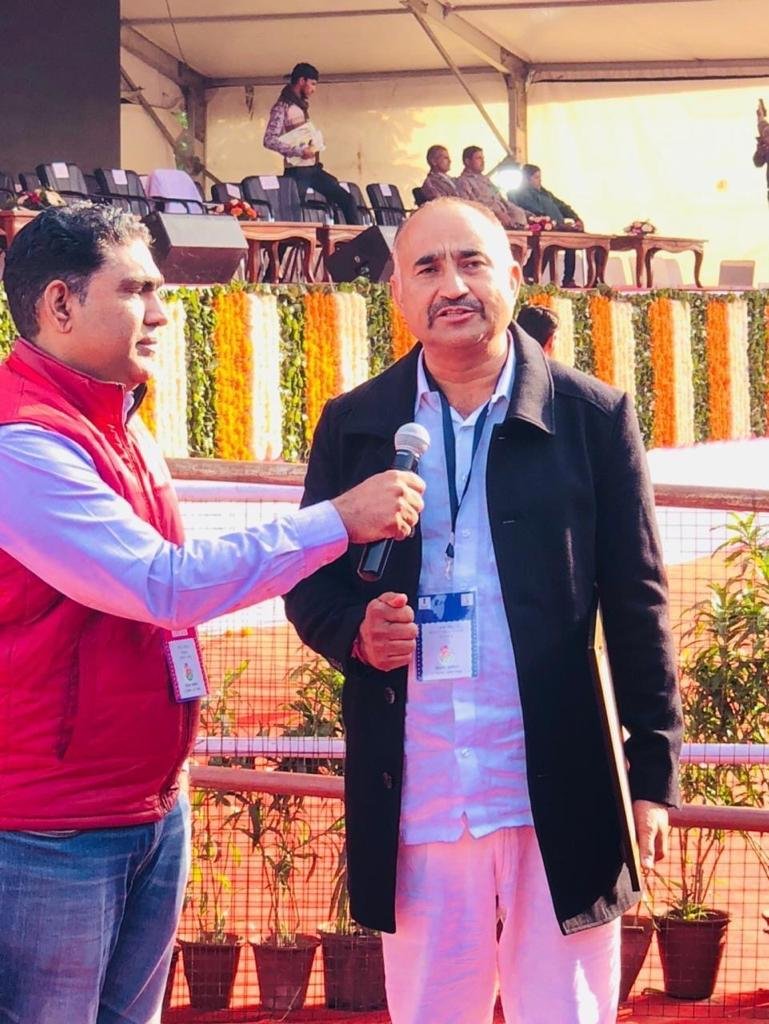
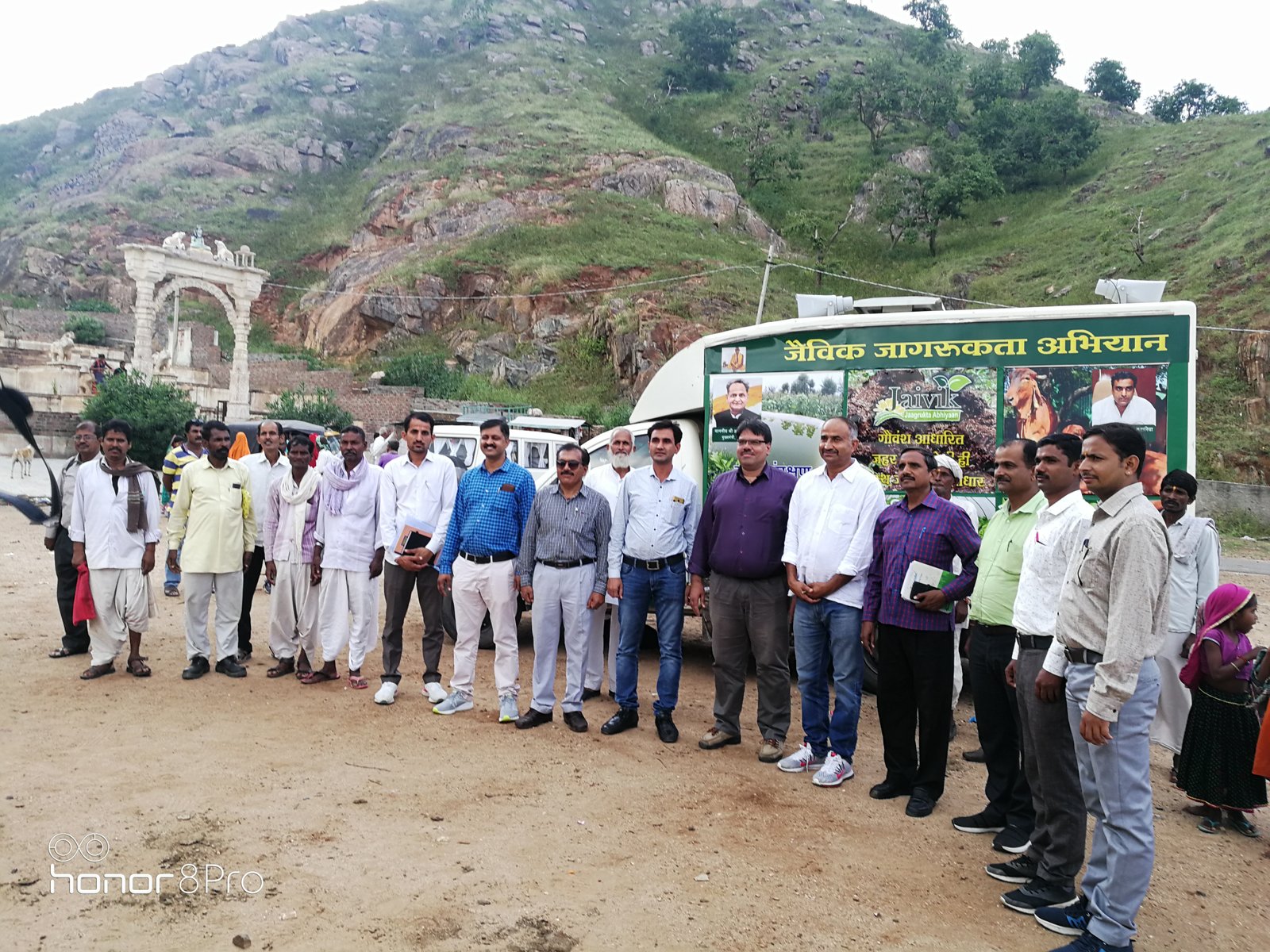
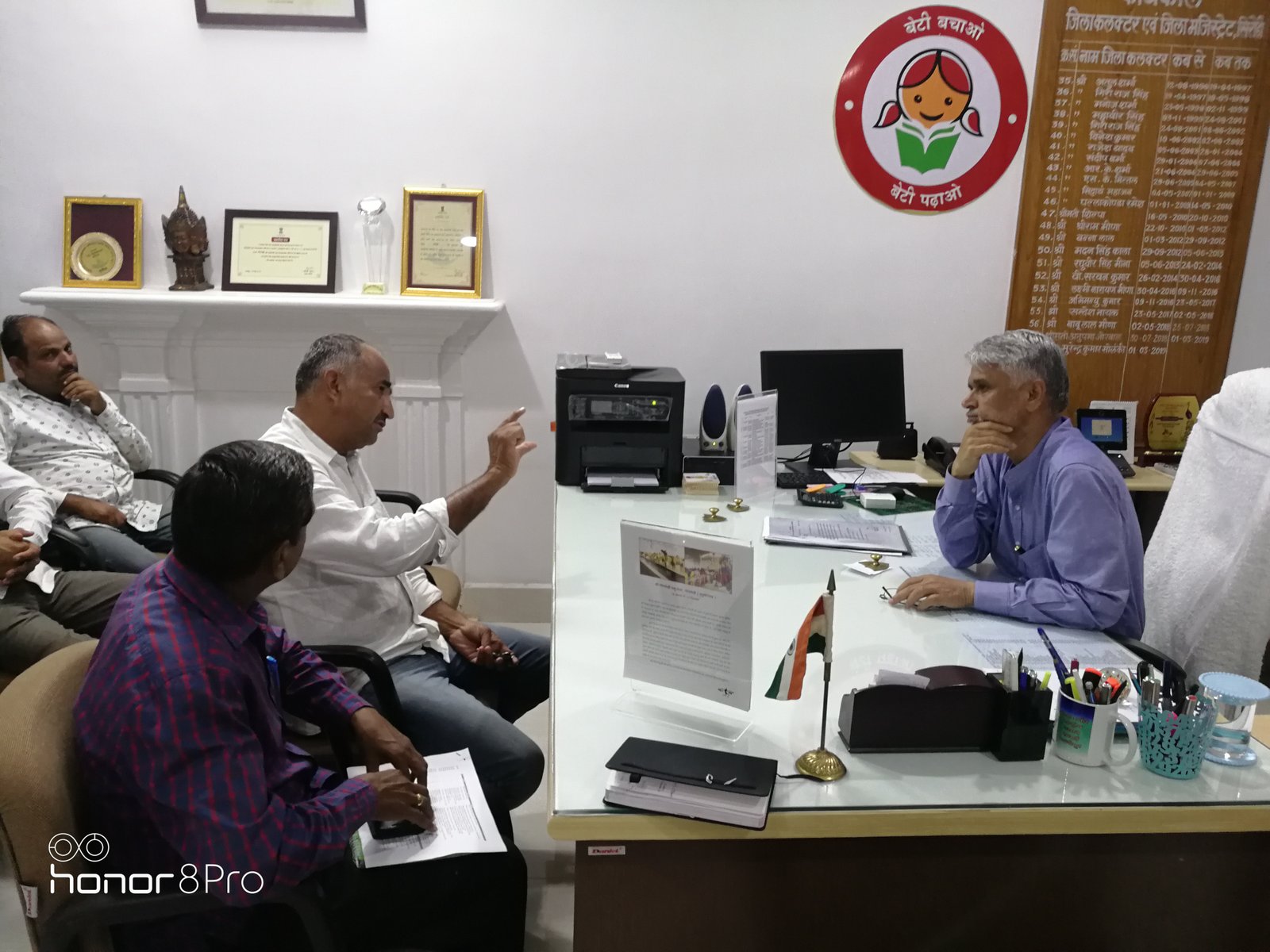
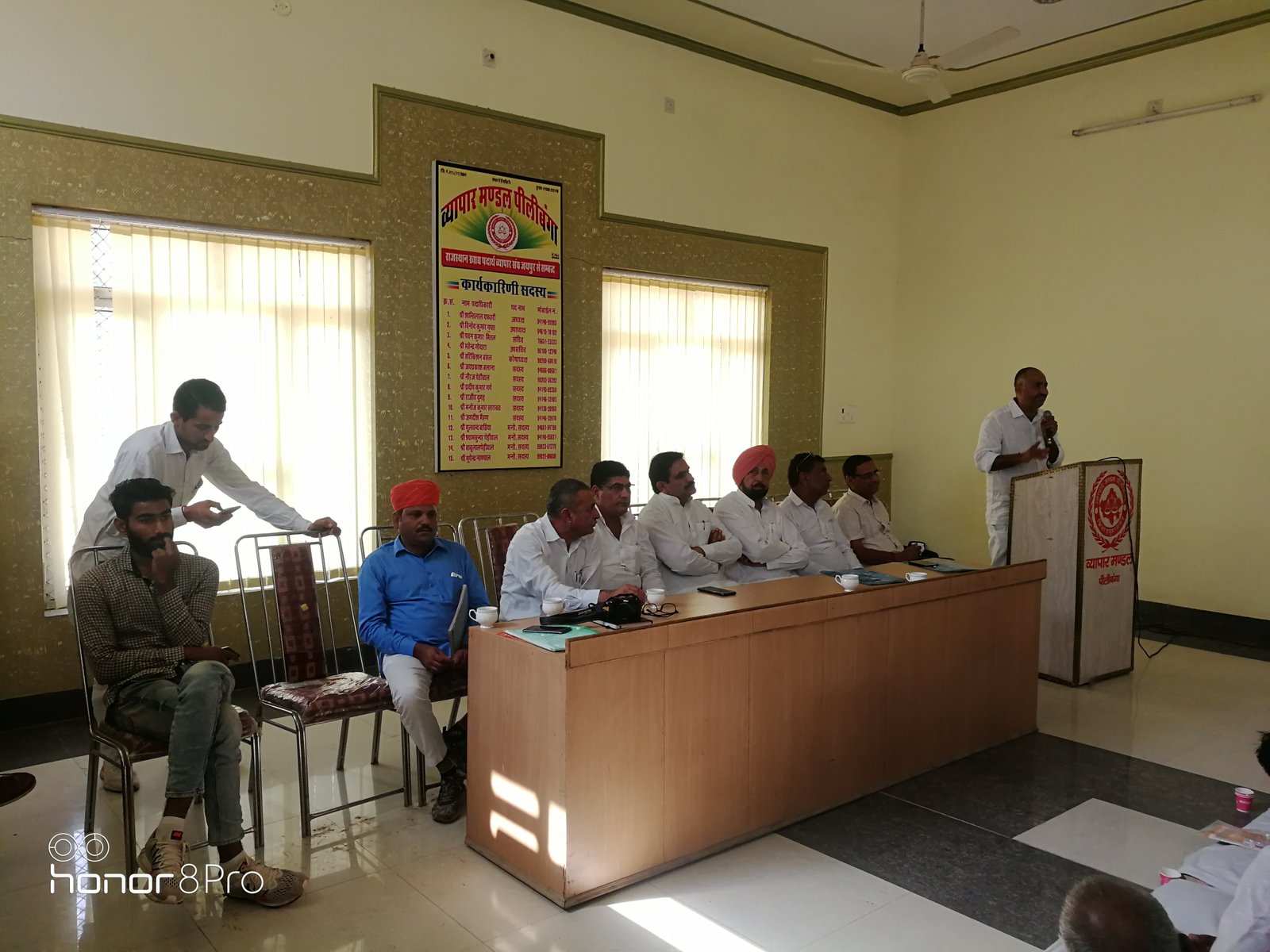
📸   From the Farm — Bhanwar Singh Pilibanga, Rajasthan

Farm photo
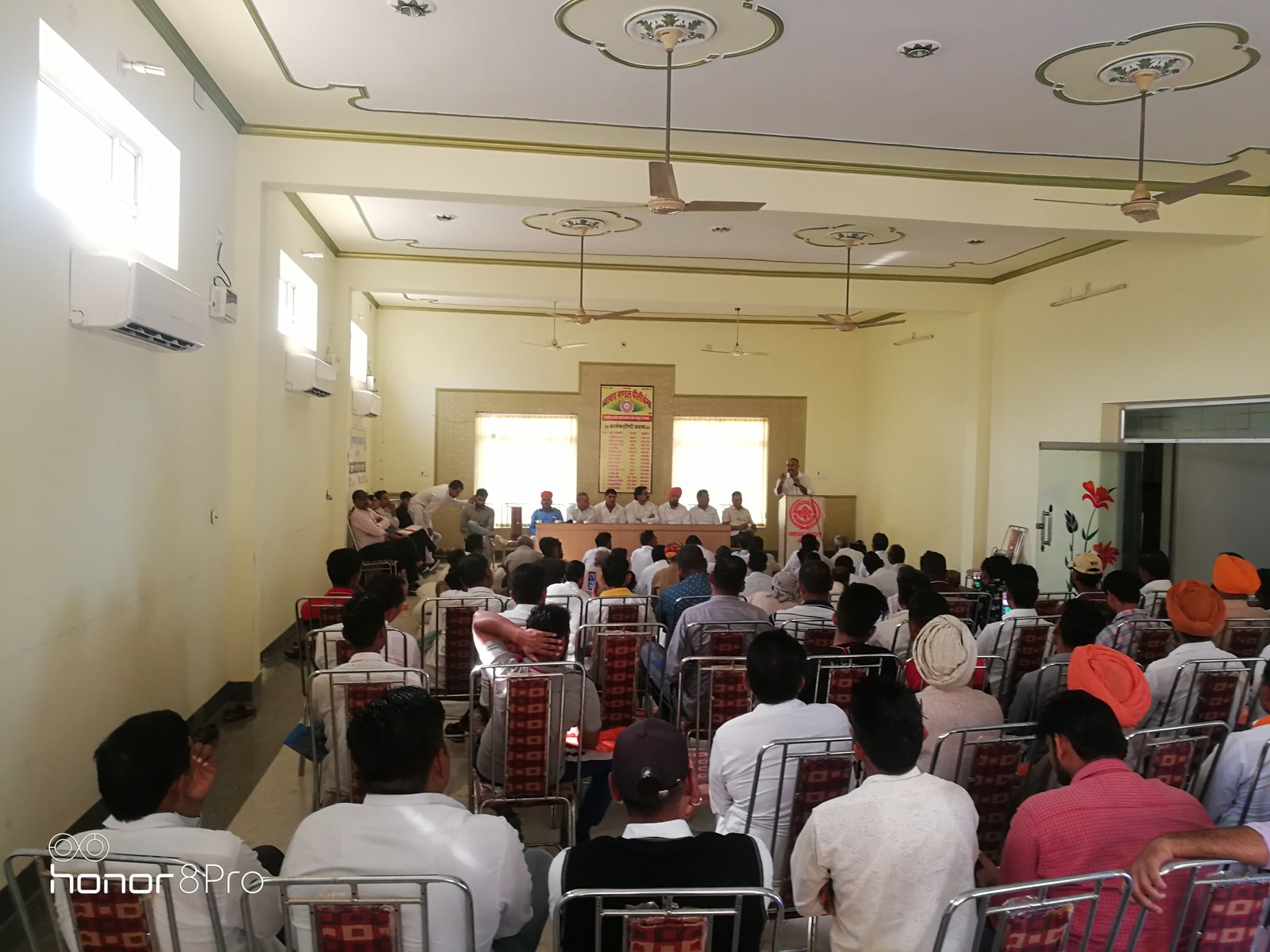
Training session
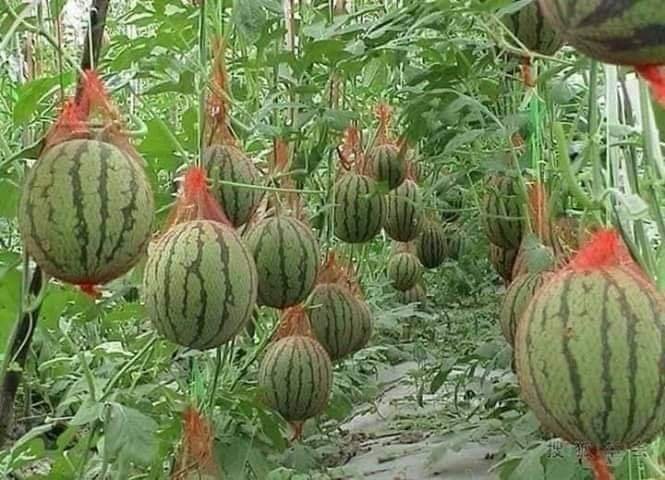
Farm produce
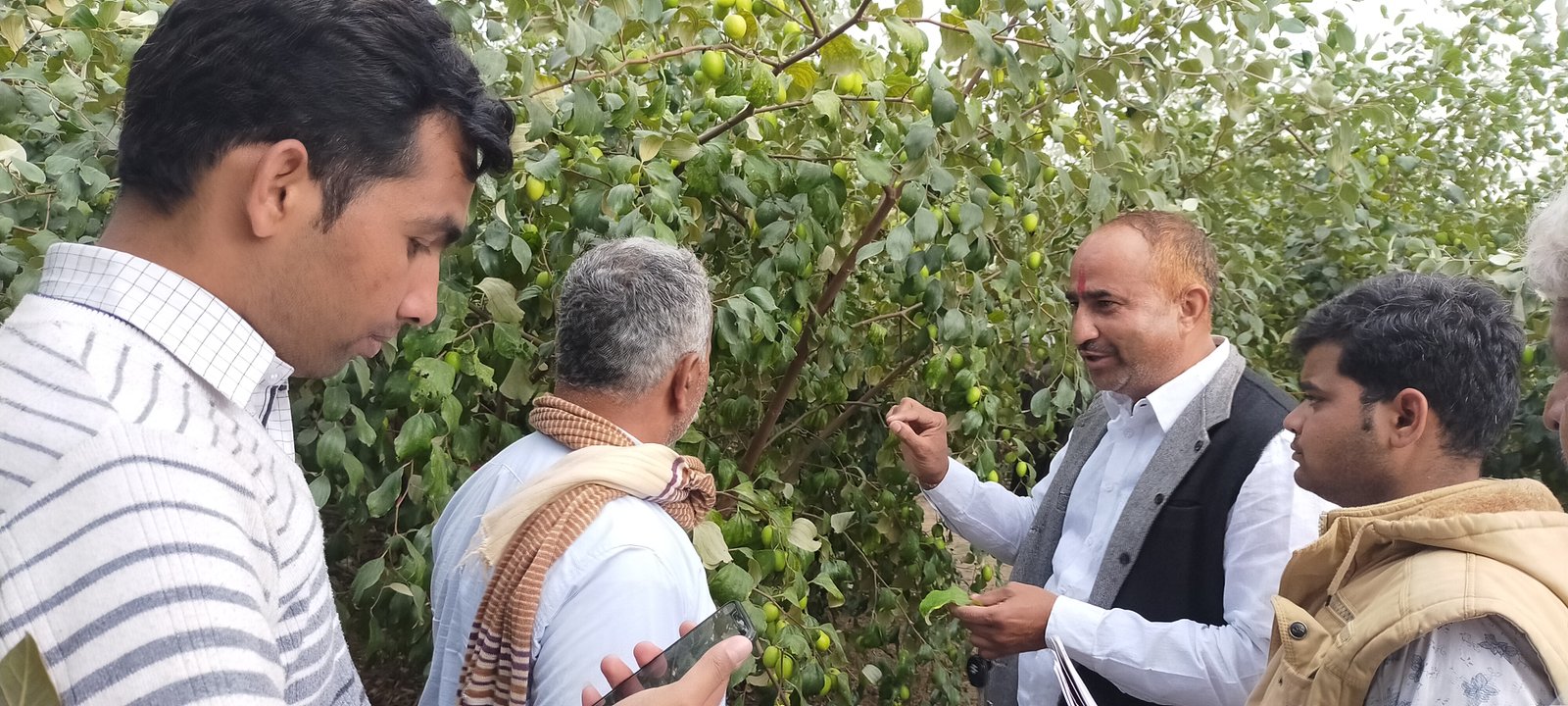
Field visit
Crop harvest
Farmer training
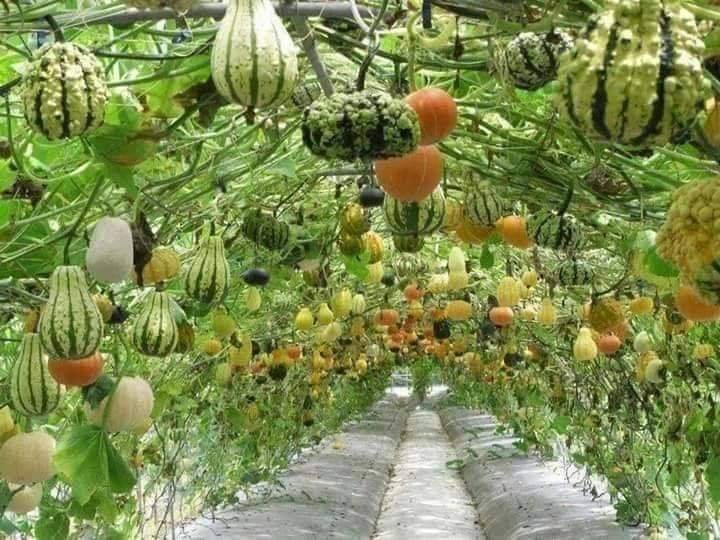
Vegetable cultivation
Farm visit
Organic guava

Sustainable & Affordable Farming

Natural farming isn’t just ecologically sound — it is also economically smarter for every farmer.

💰

Low-Cost Farming Solutions

Natural farming emphasizes reducing unnecessary expenses while maintaining crop quality. All inputs can be prepared on the farm using freely available local materials — making agriculture economically viable for farmers of all scales.

  • On-farm resource utilization
  • Locally available materials only
  • Reduced chemical dependency
  • Sustainable production systems
  • Better profitability for all farm sizes
  • No need for expensive dealers
🌍

Farming in Harmony with Nature

Natural farming is not about fighting nature; it is about understanding and working with it. By restoring soil health, conserving water and encouraging biodiversity, farmers create productive systems that provide healthy food and sustainable livelihoods.

  • Restore soil health season by season
  • Conserve precious water resources
  • Encourage biodiversity on every farm
  • Produce safe, nutritious food
  • Build sustainable livelihoods
  • Leave fertile land for future generations

Healthy Soil • Healthy Food •
Better Future

Through research, field experience and farmer education

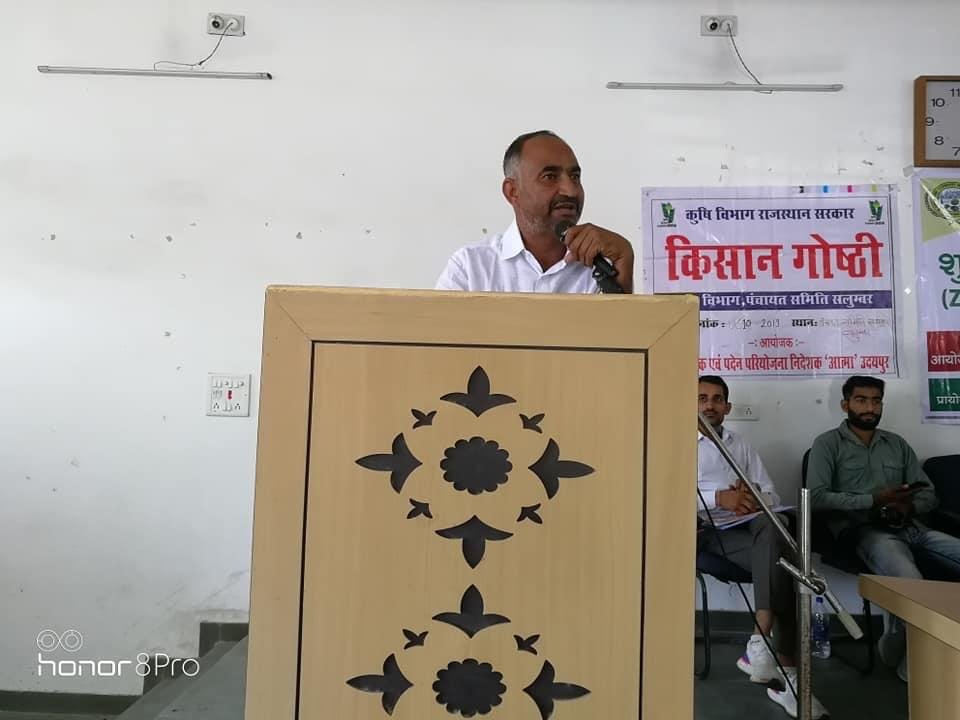
Bhanwar Singh Shekhawat continues to promote practical and affordable natural farming methods that help farmers achieve sustainable and profitable agriculture — one healthy field at a time.