Home / Organic Farming
Chemical-Free  •  Natural  •  Sustainable

Building Healthy Soil,
Healthy Food &
a Sustainable Future

Organic farming is a way of working with nature to produce healthy food while preserving soil fertility, biodiversity and environmental balance — without synthetic chemicals.

🌿 Jeevamrut 🐛 Vermicompost 💧 Drip Irrigation 🧪 Panchgavya 🌾 Natural Inputs
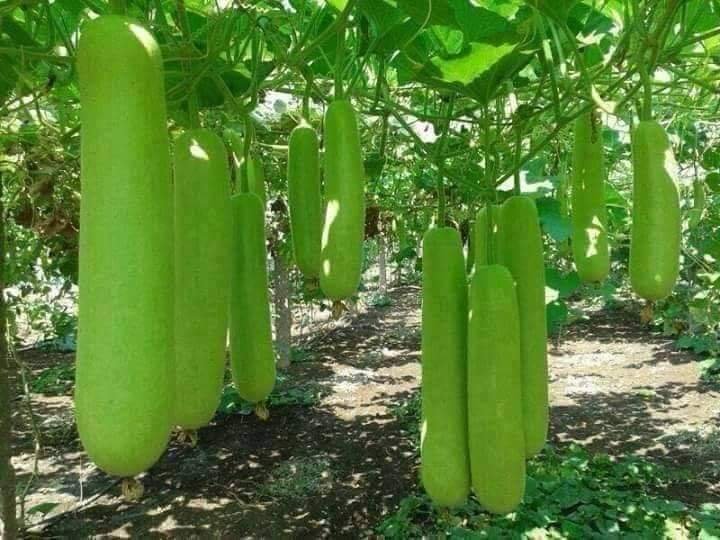
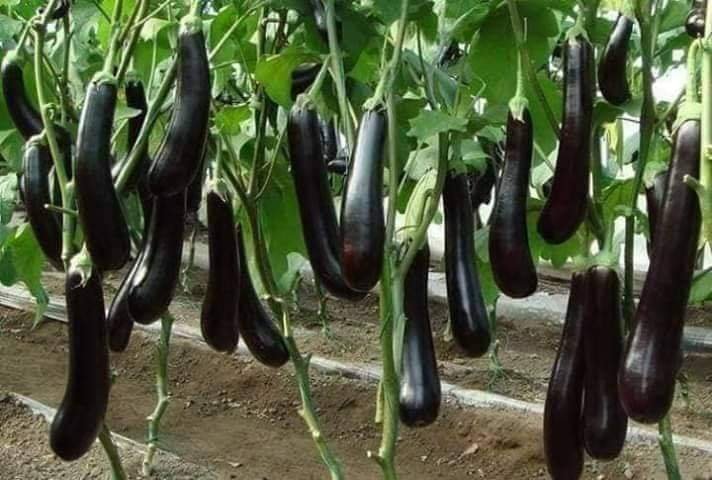
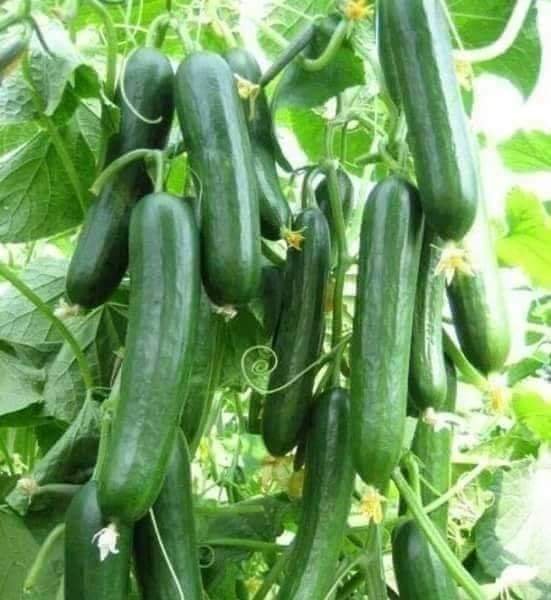
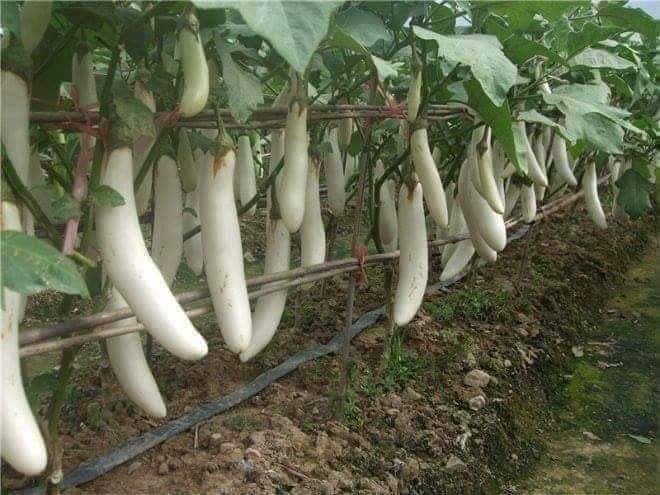
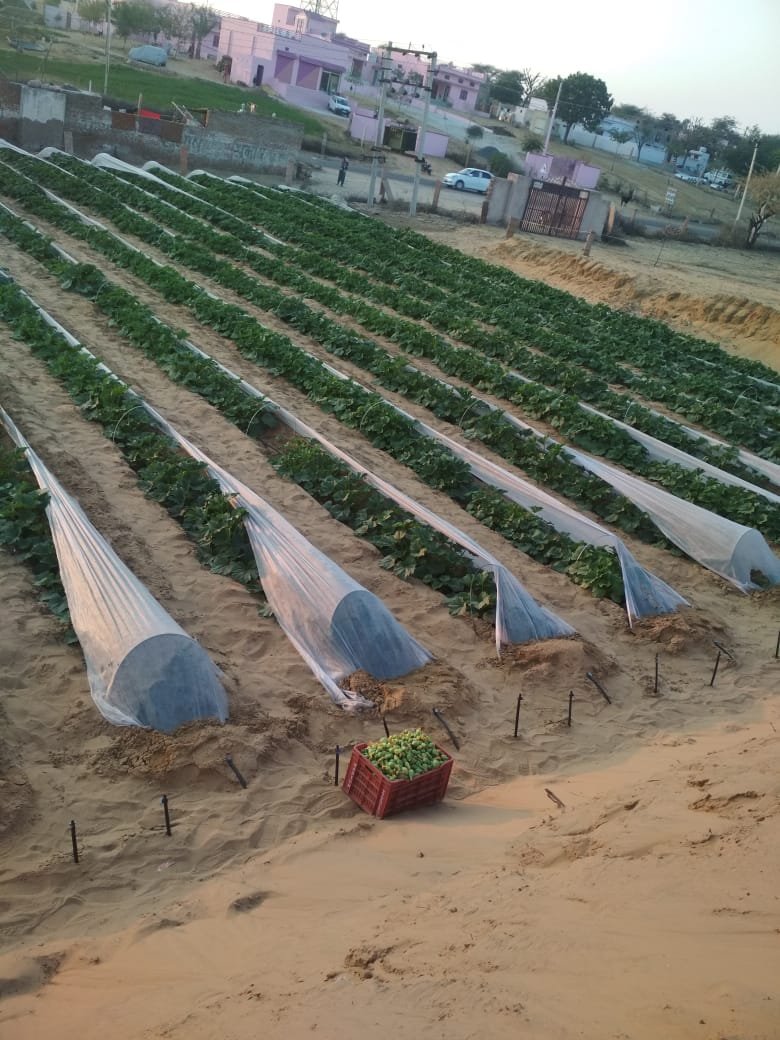
Organic vegetable farming in Rajasthan
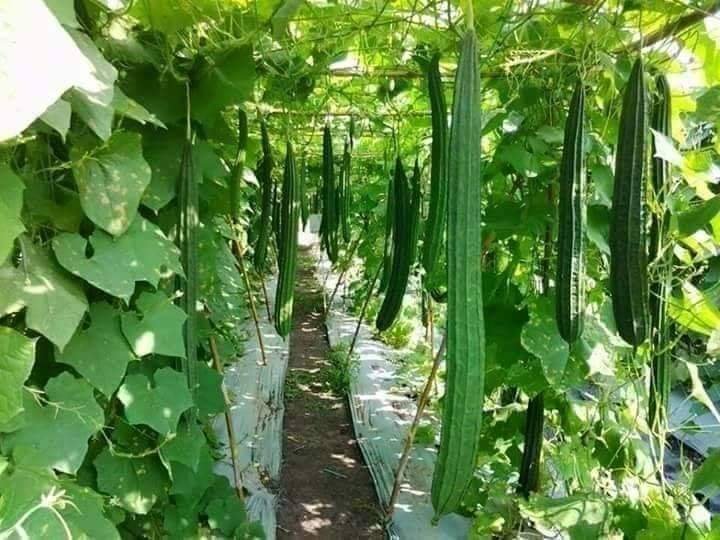
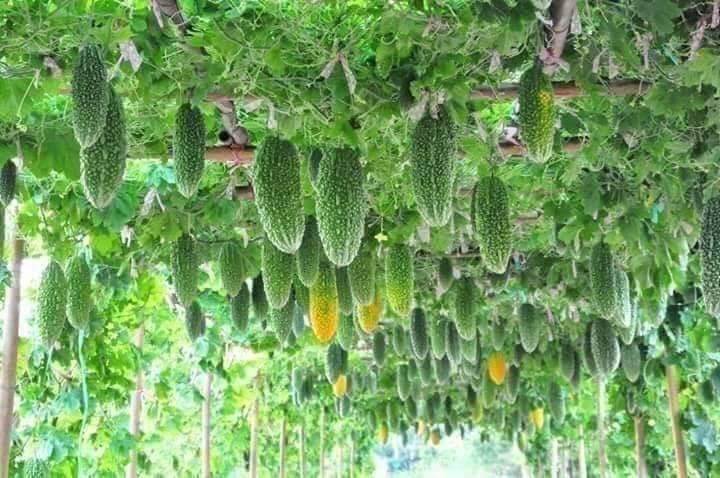
Organic crops growing naturally
Natural farming practice
20+ Years of
Organic Farming
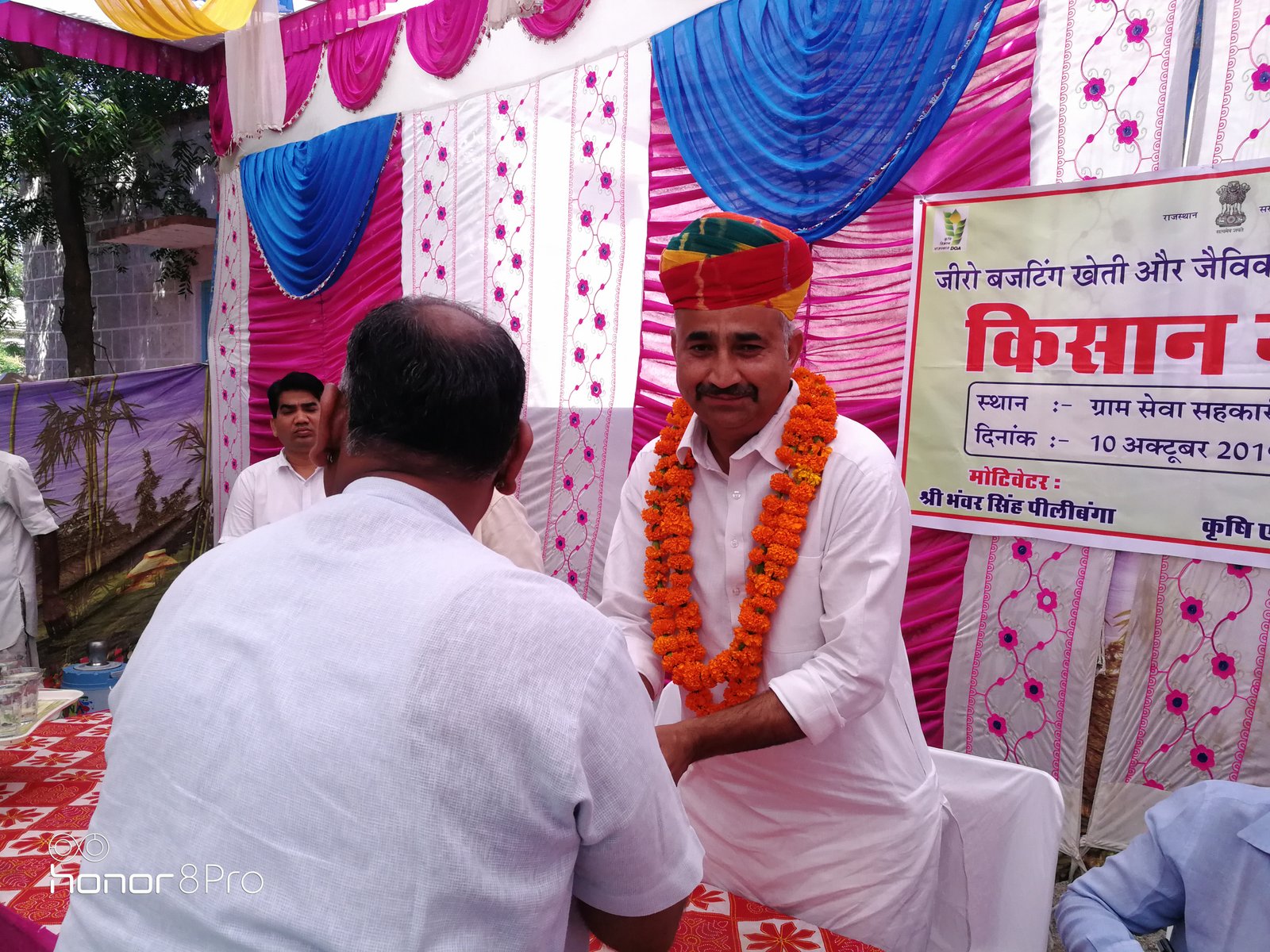
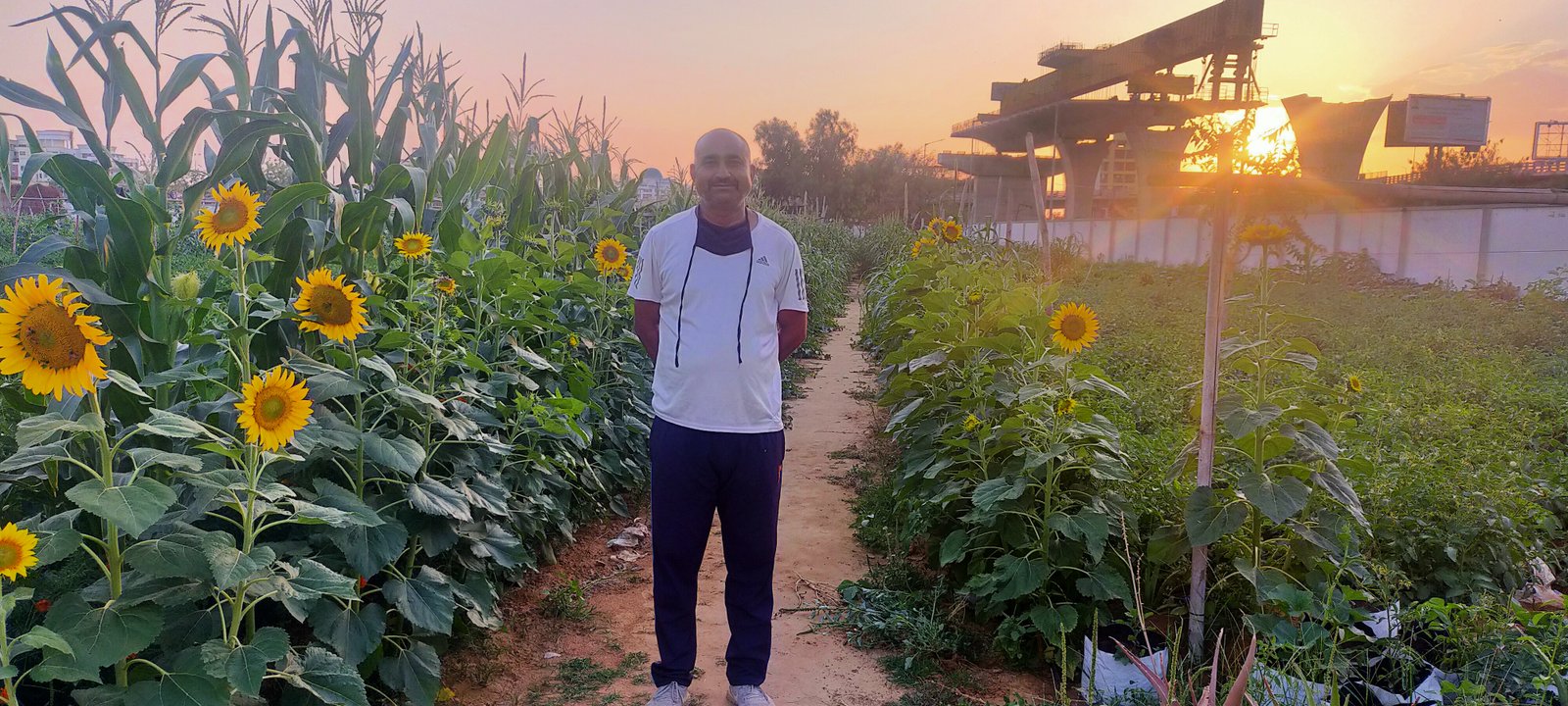
Bhanwar Singh at his organic farm
500+ Farmers
Guided

What is Organic Farming?

Organic farming is a system of agriculture that relies on natural inputs, biological processes and ecological balance instead of synthetic chemicals. It focuses on improving soil health, encouraging beneficial microorganisms and producing nutritious crops in harmony with nature.

Through years of field experience, research and experimentation, Bhanwar Singh Shekhawat has demonstrated that profitable agriculture can be achieved without excessive dependence on chemical fertilizers and pesticides.

🧮

Healthy Soil

Soil rich in organic matter and microorganisms naturally supports crop growth.

🥬

Healthy Food

Food grown naturally retains better nutritional value for families and communities.

🌍

Healthy Environment

Protects water resources, promotes biodiversity and preserves nature's balance.

Why Organic Farming Matters Today

Modern agriculture has increased production, but excessive chemical use has created serious challenges for soil, water, human health and the environment.

Declining Soil Fertility

Continuous chemical use kills soil microbes and degrades the organic matter essential for healthy crops.

🧬

Reduced Microbial Activity

Synthetic fertilizers suppress beneficial bacteria and fungi that naturally support plant nutrition.

💸

Higher Cultivation Costs

Dependence on costly chemical inputs reduces farmer income and makes farming economically unsustainable.

🚱

Water Pollution

Chemical runoff contaminates groundwater and surface water, affecting communities far beyond the farm.

⚕️

Health Concerns

Pesticide residues in food are linked to serious health issues in consumers including children.

🦋

Loss of Biodiversity

Chemical farming destroys habitats for beneficial insects, birds and soil organisms.

🧹

Pest Resistance

Over-reliance on pesticides leads to resistant pest strains that require even more chemicals over time.

⬆️

Rising Input Dependency

Farmers become trapped in a cycle of increasing chemical dependency year after year.

🌱

The Organic Solution

Organic farming offers a proven, sustainable path by restoring soil life, reducing costs, producing safer food and promoting environmentally responsible agriculture — as demonstrated across Bhanwar Singh Pilibanga’s fields in Rajasthan.

Practical Organic Farming Methods

Every practice used at Bhanwar Singh Pilibanga Farm is field-tested, affordable and designed to work in real farming conditions across Rajasthan and beyond.

Soil health management organic farming
🧮 Soil Management
01

Soil Health Management

Soil is treated as a living ecosystem rather than merely a medium for crop production. Building and maintaining soil biology is the first priority on every field.

  • Organic matter addition
  • Compost application
  • Vermicompost production
  • Crop residue recycling
  • Soil carbon improvement
  • Microbial enrichment
  • Mulching & moisture conservation
  • Soil biology restoration
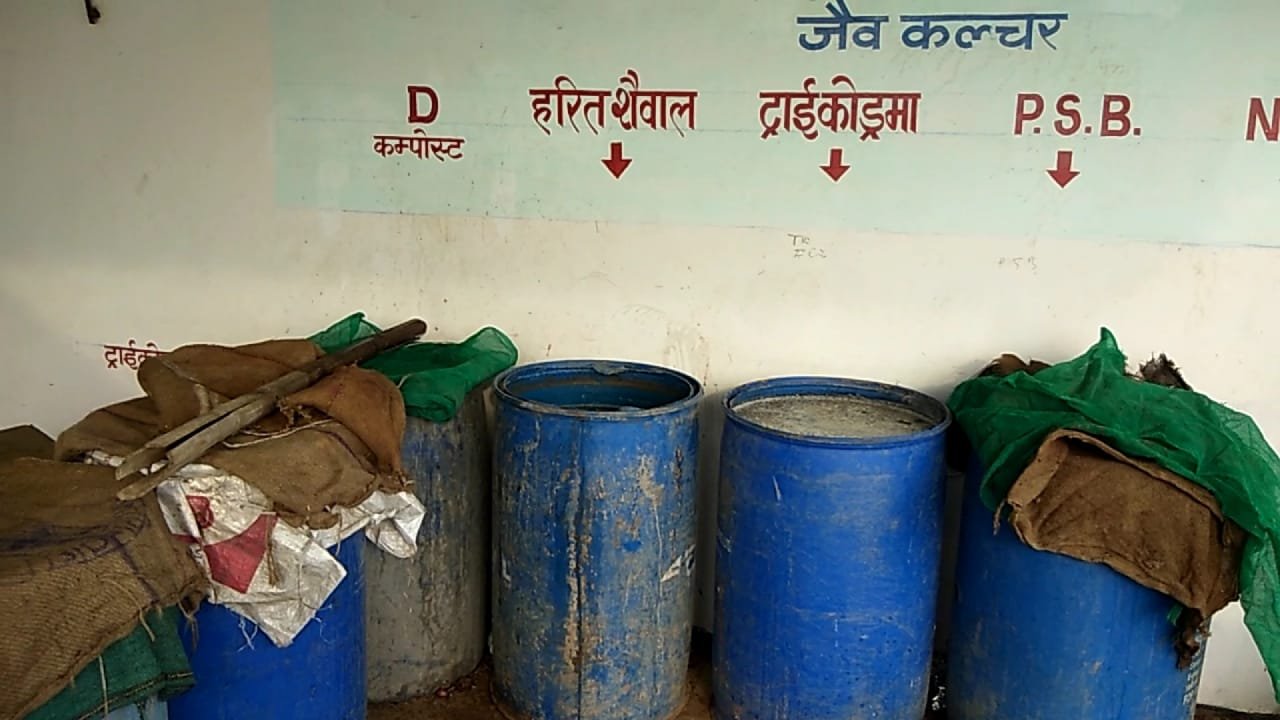
Jeevamrut natural inputs preparation
🍶 Jeevamrut & Natural Inputs
02

Jeevamrut & Natural Inputs

Traditional organic preparations play an important role in improving soil microbial activity and plant health. These formulations are prepared from locally available, low-cost farm resources.

  • Jeevamrut
  • Beejamrut
  • Panchgavya
  • Vermiwash
  • Compost tea
  • Mustard cake (Khali)
  • Cow-based formulations
  • Neem preparations
Vermicompost composting organic
🐛 Composting & Vermicompost
03

Composting & Vermicomposting

Farm waste is converted into valuable organic manure through natural decomposition and vermicomposting. Earthworms break down organic material into highly fertile, humus-rich compost.

  • Improved soil structure
  • Better moisture retention
  • Increased microbial activity
  • Enhanced nutrient availability
  • Reduced farming costs
  • Zero waste farming model
Drip irrigation water conservation Rajasthan
💧 Water Conservation
04

Water Conservation & Irrigation

Efficient water use is essential under Rajasthan’s arid conditions. Smart irrigation and conservation techniques help produce more with far less water.

  • Drip irrigation systems
  • Mulching for moisture
  • Raised bed cultivation
  • Moisture conservation
  • Seasonal crop planning
  • Water-efficient varieties
Natural pest management organic farm
🛡️ Natural Pest Management
05

Natural Pest & Disease Management

Instead of harmful chemicals, crop protection is achieved through ecological balance and biological approaches that protect beneficial organisms and the environment.

  • Neem-based formulations
  • Botanical extracts
  • Trap crop techniques
  • Beneficial insects
  • Crop rotation
  • Healthy soil management
  • Integrated pest management
  • Companion planting

Organic Crops & Cultivation

A wide range of vegetables and fruits cultivated using chemical-free, natural methods — focused on quality, nutrition and sustainability.

🥒Cucumber
🧆Bottle Gourd
🥗Bitter Gourd
🌿Ridge Gourd
🧄Sponge Gourd
🥘Okra
🧅Onion
🥔Potato
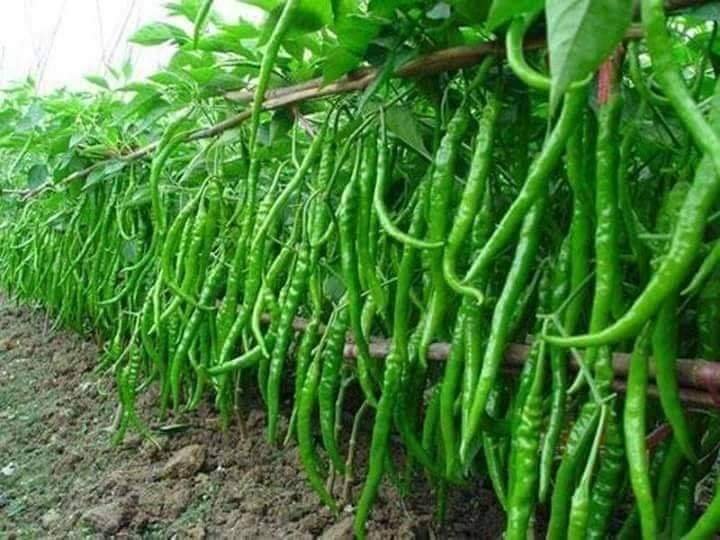
🌶️Green Chilli
🥬Leafy Vegetables
🥕Seasonal Crops
🥦Mixed Greens
Organic Papaya cultivation

🍍 Papaya

High-quality papaya cultivated under natural conditions with emphasis on soil fertility and healthy growth.

Natural Cultivation
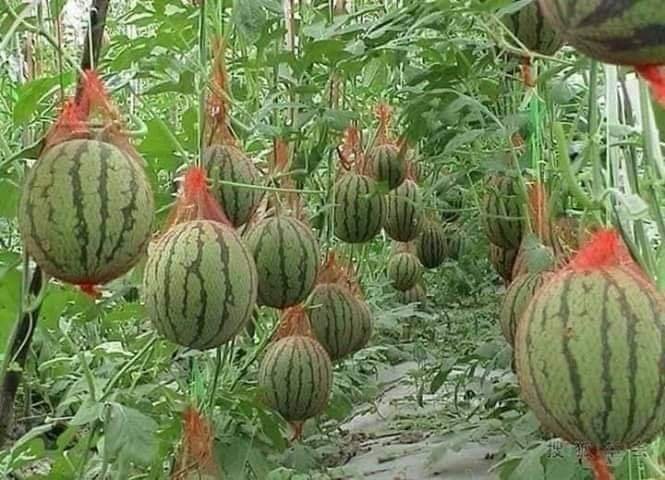
Organic Watermelon farming

🍉 Watermelon

Naturally grown watermelons known for their exceptional taste, freshness and sugar content.

Chemical-Free
Organic Guava production

🍏 Guava

Healthy and nutritious guavas produced through sustainable practices with rich soil management.

Sustainable
Organic Citrus fruit farming

🍊 Citrus Fruits

Seasonal citrus orchards managed using organic methods for maximum nutritional quality.

Organic Orchard
🏗️

Protected Cultivation Techniques

Protected farming techniques are used to improve productivity and crop quality. These methods enable year-round production and efficient resource utilization regardless of season.

  • Shade net cultivation
  • Polyhouse vegetable production
  • Raised bed systems
  • Mulching practices
  • Drip irrigation integration
  • Micro-climate management
Protected cultivation polyhouse farming

Who Benefits from Organic Farming?

Organic farming provides measurable benefits for every stakeholder — from the farmer who grows the food to the family that consumes it and the environment that sustains it all.

👨‍🌾 For Farmers

Economic & Practical Benefits

  • Reduced input costs significantly
  • Improved soil fertility year after year
  • Better long-term productivity
  • Sustainable income opportunities
  • Lower dependence on chemical dealers
  • On-farm preparation of all inputs
🧑‍🧑‍🧒 For Consumers

Health & Quality Benefits

  • Safe and nutritious food
  • Reduced chemical residue exposure
  • Better taste and natural freshness
  • Improved nutrition and mineral content
  • Food grown with care and purpose
🌍 For the Environment

Ecological Benefits

  • Improved soil and water biodiversity
  • Healthy, functioning ecosystems
  • Reduced water and air pollution
  • Conservation of natural resources
  • Support for beneficial insects & birds
  • Carbon sequestration through soil
💡

Innovations in Organic Practice

Over 20+ years, Bhanwar Singh has developed and adapted organic methods specifically suited to the conditions of Rajasthan and semi-arid farming regions. Every technique is field-proven, low-cost and replicable by other farmers.

  • On-farm input preparation from cow resources
  • Adapted jeevamrut for sandy desert soils
  • Heat-tolerant crop selection and scheduling
  • Multi-crop system to spread risk and income
  • Minimal water footprint through smart irrigation
  • Replication model shared with 500+ farmers
🏜️

Farming Under Rajasthan Conditions

Farming in Rajasthan presents unique challenges. Through practical experience and innovation, Bhanwar Singh has developed successful methods to grow vegetables and fruits naturally under these difficult climatic conditions.

High Temperatures
Limited Water
Poor Soil Quality
Extreme Seasons
“Healthy soil and proper management can produce excellent results without heavy chemical dependence — even in desert conditions.”
— Bhanwar Singh Shekhawat

“Healthy Soil, Healthy Food,
Better Future.

Organic farming is not merely an alternative — it is an investment in the future. By nurturing soil, conserving resources and producing healthy food, farmers can create sustainable and profitable agricultural systems that benefit present and future generations.